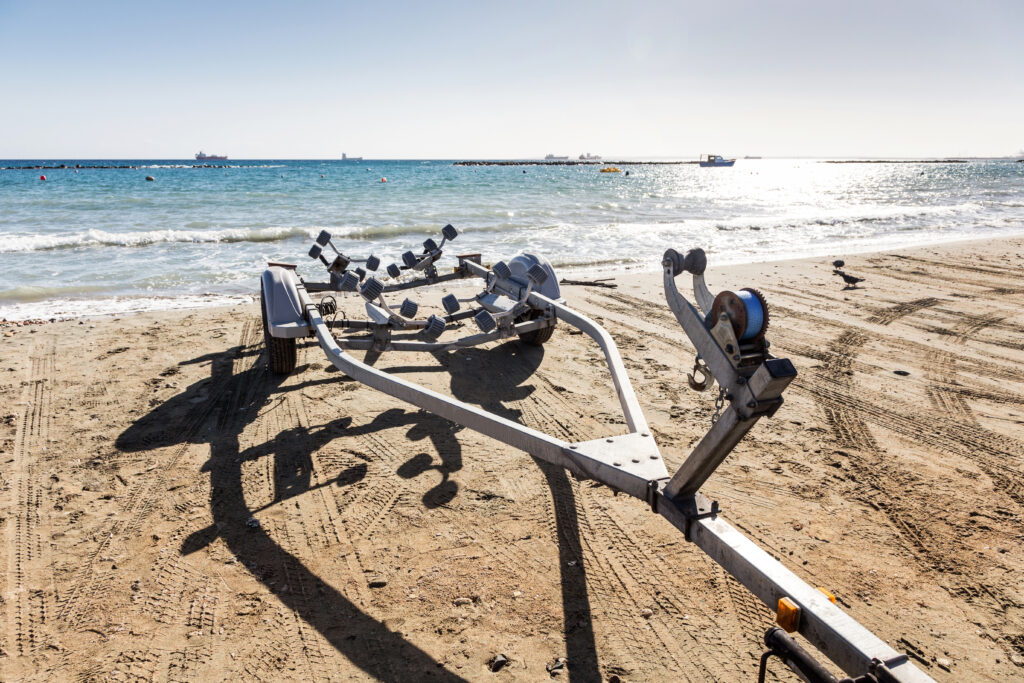
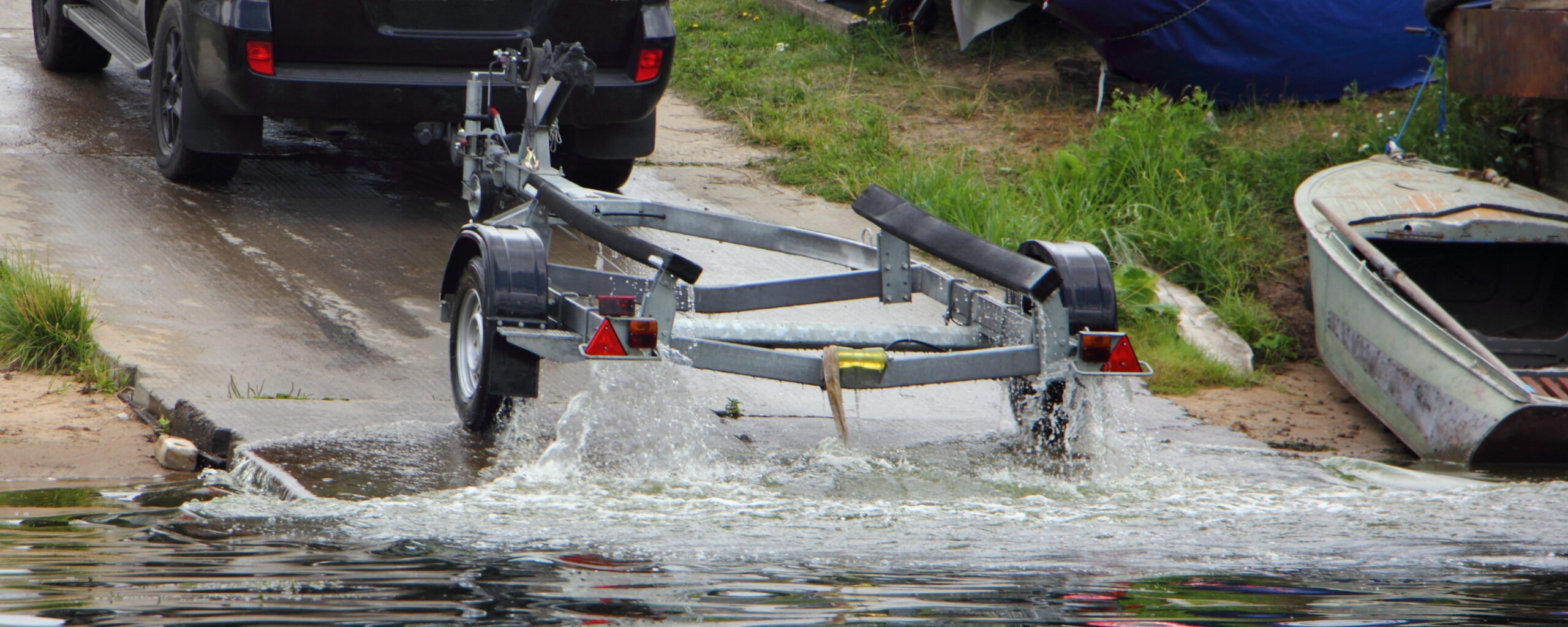
Towing a boat adds a whole new dimension to your driving — more weight, more wind resistance, and more responsibility on the road. Whether you’re heading to the lake for a day trip or launching for the first time this season, a safe haul starts long before you reach the ramp.
These essential safety tips will help you tow confidently, protect your equipment, and enjoy a stress-free trip from driveway to dock.
Start With a Pre-Trip Inspection (Don’t Skip This!)
You might think of your boat trailer as a simple piece of equipment, but it has moving parts, wiring, bearings, and components that need attention. Before you hit the road, run through this quick maintenance sweep:
Check the Tires
Boat trailer tires age faster than vehicle tires, especially if the trailer sits in the sun or isn’t used often. Look for:
Dry rot or cracking
Uneven wear
Proper PSI (trailer PSI is often higher than car tires)
Low or aging tires are one of the biggest causes of roadside trailer breakdowns.
Give the Wheel Bearings a Look
If you’ve ever seen a trailer stranded on the side of the highway with smoke pouring from a hub, you’ve seen what happens when wheel bearings fail.
If a trailer hasn’t been used in a while or was recently submerged at a ramp, check for:
Excess grease buildup
Grinding noises
Wiggle/play in the hub
A quick wipe and fresh bearing grease can prevent serious issues.
Inspect and Test Trailer Lights
Your boat may block some visibility, so functioning lights are critical. Verify:
Brake lights
Turn signals
Running lights
License-plate light
Loose wiring, corrosion, or moisture inside the housing can cause failures, especially after launching.
Secure the Boat With Proper Tie-Down Technique
A properly strapped boat doesn’t just prevent shifting, it protects your hull and keeps your trailer balanced.
Use More Than Just the Winch
The bow winch strap alone is not enough. Strong safety practices include:
Transom straps on both sides
A bow safety chain (in addition to the strap)
A gunwale or mid-hull strap if you’re hauling gear inside the boat
Your straps should be tight but not crushing; give them a quick re-check after driving a few miles.
Mind Your Load Balance
Improper weight distribution can cause sway, one of the most dangerous problems when towing.
To reduce sway risk:
Keep heavier items low and toward the front of the boat
Avoid loading coolers or gear at the very back
Do not exceed the trailer’s tongue-weight limit
Keep the trailer level — adjust your hitch height if necessary
If sway starts on the road, slow down gradually and avoid sudden steering.
Driving Safe: Adjust Your Road Habits
Even seasoned drivers need to shift their habits when towing a boat. A few small adjustments go a long way.
Give Yourself More Space
Boost your following distance to at least 5–6 seconds. More weight means longer braking distance.
Brake Smoothly
Sudden braking can send the boat surging forward or put strain on straps. Ease into stops whenever possible.
Watch Your Wind
Boats catch crosswinds like a sail. If you feel a push from the side:
Reduce speed
Keep a firm grip on the wheel
Stay centered in your lane
Passing semi trucks can also create temporary wind turbulence.
Use Lower Gears on Hills
On steep inclines or declines, let your engine — not your brakes — control your speed. Lower gears add stability and prevent brake overheating.
Avoid Sudden Lanes Changes
Give yourself long, gentle merges. Trailers don’t respond well to quick moves.
Prepare for Launch Conditions Ahead of Time
Boat ramps differ widely — angled slopes, slippery algae, shallow approaches, uneven surfaces, and tight turnaround space can all add stress if you’re not ready.
Know the Ramp Before You Back Down
If it’s your first time at a new ramp:
Walk down to look at the angle
Check the depth and length
Identify where other boaters are staging
Note currents or wind direction
Bring Wheel Chocks
Trailer wheel chocks are inexpensive and extremely useful on sloped ramps. They help:
Prevent roll-back
Keep the trailer stable while prepping
Make solo launching safer
Keep the Boat Plug, Fenders & Lines Ready
Prep before you get anywhere near the actual ramp lane — it keeps the lines moving smoothly and avoids ramp congestion.
Know Your Emergency Basics
Even with perfect prep, unexpected issues can happen. Pack the essentials so you’re never stranded.
Carry:
A spare trailer tire
A tire iron that actually fits the lug nuts
Bearing grease
A portable jack suitable for trailer height
Extra light bulbs
A back-up strap in case one fails
This small kit can save an entire boating day.
After the Trip: Post-Tow Trailer Care
Once the boat is offloaded and the day is done, spend a few minutes protecting your equipment (or your renter’s trailer):
Rinse off saltwater immediately
Check straps for damage
Grease bearings if the trailer was submerged
Store the trailer out of direct sun when possible
Let wiring dry before covering
Good care now means safer towing next time and fewer surprises.
Why Renting Locally Helps Keep You Safer
Renting a boat trailer from a neighbor on Rentby often means:
The trailer is used regularly and maintained
Local owners understand nearby launch conditions
Shorter distances = fewer breakdown risks
You can ask questions directly to the person who knows the trailer best
Plus, renting helps avoid long-term maintenance you’d otherwise handle yourself.
Final Thoughts
Towing a boat safely isn’t about being an expert, it’s about building good habits. A little routine maintenance, the right road awareness, and a few smart safety checks can make every trip smoother and every launch less stressful.
With Rentby, you can rent a boat trailer locally, save money, and hit the water knowing your haul is secure and your gear is ready for the road ahead.