
Renting a trailer is a convenient way to transport heavy items, furniture, equipment, or even recreational vehicles. Whether you’re moving house, hauling landscaping materials, or transporting large tools, attaching a trailer to your truck or vehicle gives you extra hauling capacity. However, safely operating a trailer requires careful planning and understanding of best practices to ensure your trip is smooth and secure.
In this guide, we’ll walk you through essential trailer safety tips, from hooking up the trailer to proper loading techniques, to ensure your hauling experience is safe and efficient.
1. Choose the Right Trailer for the Job
Before renting a trailer, it’s important to select the right type for the items you’ll be hauling. Trailers come in various sizes and weight capacities like utility trailers, enclosed trailers, flatbed trailers, and car hauler trailers, so make sure the trailer you rent matches your vehicle’s towing capacity and the weight of the load.
-
Understand Your Vehicle’s Towing Capacity:
Check your vehicle’s owner’s manual to confirm its towing capacity. Exceeding this limit can strain your vehicle and lead to dangerous driving conditions. -
Choose the Right Trailer Type:
Trailers come in different configurations, including utility trailers, enclosed trailers, and car haulers. Ensure the trailer you rent suits your needs. For example, if you’re moving furniture, an enclosed trailer will protect your items from weather, while a flatbed trailer is ideal for heavy equipment or materials.Pro Tip: Renting allows you to choose the exact trailer for the job without the long-term investment of purchasing one, and you can match the trailer to the size and weight of the items you need to haul.
2. Inspect the Trailer Before You Hit the Road
Before hooking up the trailer, give it a thorough inspection to ensure it’s in good condition. A quick check can prevent potential trailer safety hazards while driving.
-
Check the Tires:
Inspect the trailer tires for wear, proper inflation, and overall condition. Properly inflated tires help maintain stability, reduce the risk of blowouts, and improve fuel efficiency. -
Inspect the Lights and Signals:
Test the trailer’s brake lights, turn signals, and taillights to make sure they are working properly. Functioning lights are essential for safe driving, especially at night or in bad weather. -
Examine the Trailer Hitch and Safety Chains:
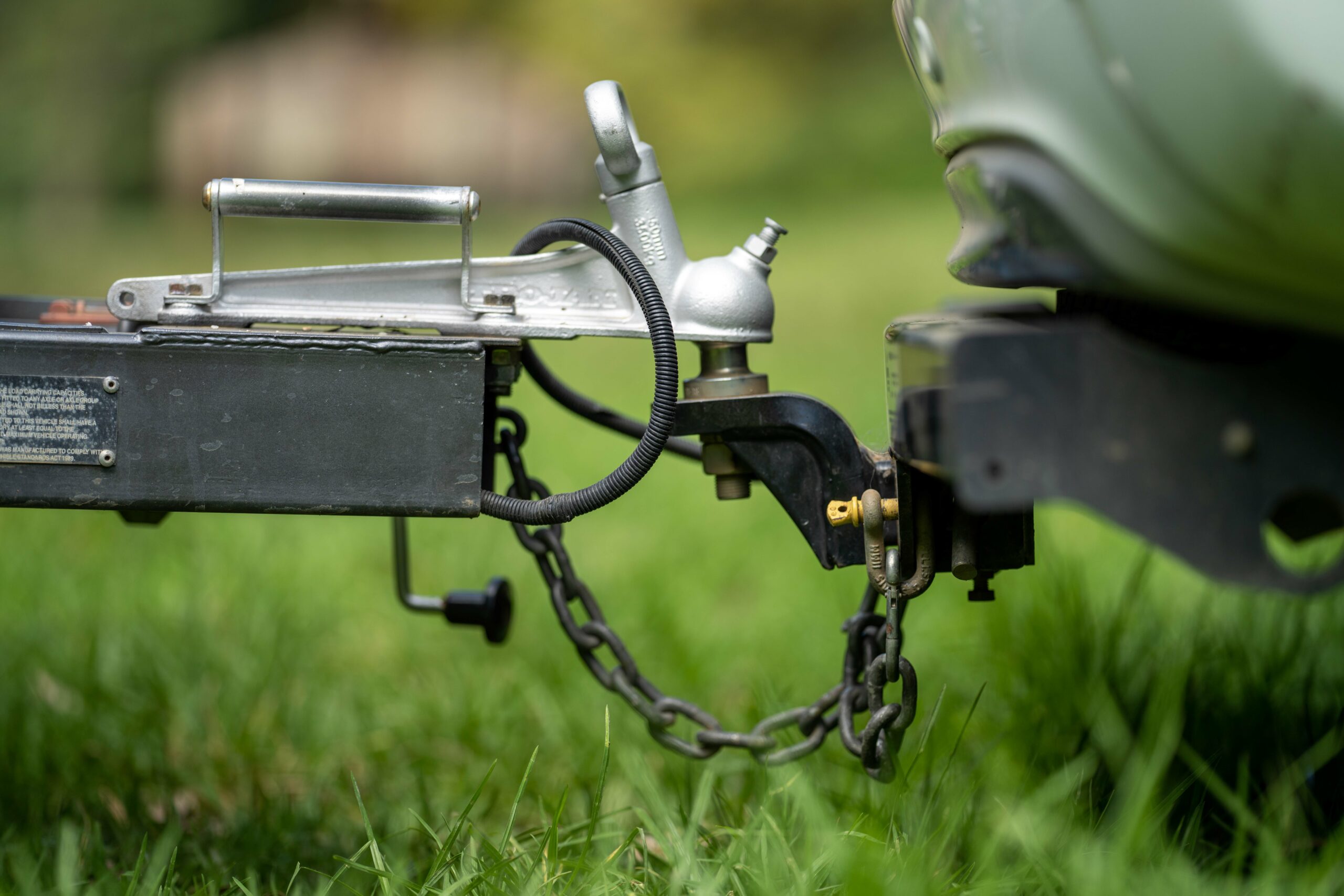
Make sure the trailer hitch rental is in good working condition and that the safety chains are secure. Safety chains provide an extra level of security in case the hitch fails while driving.Pro Tip: When renting from Rentby, make sure to inspect the trailer with the rental provider to ensure everything is in proper working order before you drive off.
3. Properly Attach the Trailer
Attaching the trailer securely to your vehicle is one of the most important trailer safety steps. Improperly secured trailers can lead to accidents, damage to your vehicle, or harm to others on the road.
-
Use the Correct Trailer Hitch Ball Size:
Make sure the hitch ball on your vehicle matches the trailer’s coupler size. Using the wrong size can cause the trailer to detach during transit. Double-check that the coupler is securely fastened to the hitch ball and locked in place. -
Cross the Safety Chains Under the Trailer Hitch:
Always cross the safety chains under the trailer hitch rental. This ensures that, in the event of a detachment, the trailer stays aligned with your vehicle rather than dragging on the ground. -
Connect the Trailer Lights and Brake System:
Connect the trailer’s electrical wiring to your vehicle to ensure that all lights, signals, and brakes function properly. Some trailers have electronic brakes, so make sure the brake controller is properly connected if required.Pro Tip: After hooking up the trailer, do a quick test by driving a short distance and checking the connections. Make sure the trailer tracks properly and all lights function as expected.
4. Load the Trailer Correctly
How you load the trailer plays a significant role in maintaining control while driving. An improperly loaded trailer can cause swaying, poor braking, and difficult handling.
-
Distribute Weight Evenly:
Ensure that your load is evenly distributed across the trailer. Place about 60% of the weight toward the front of the trailer, near the hitch, and 40% toward the rear. This prevents the trailer from swaying and helps maintain stability. -
Secure the Load:
Use straps, ropes, or bungee cords to secure your load in place. Ensure heavy items are tied down tightly to prevent shifting during transit. Shifting cargo can throw off the trailer’s balance and cause dangerous driving conditions. -
Avoid Overloading:
Never exceed the trailer’s weight capacity. Overloading can lead to tire blowouts, brake failure, and loss of control while driving. Check the trailer’s weight rating and compare it to the total weight of your cargo before hitting the road.Pro Tip: You can rent additional accessories like straps, bungee cords, or cargo nets from Rentby to ensure your load is properly secured for the journey.
5. Practice Safe Driving Habits
Driving with a trailer attached to your vehicle requires adjustments to your usual driving habits. You’ll need to be more cautious and aware of your surroundings to maintain control and avoid accidents.
-
Drive Slower Than Usual:
Towing a trailer adds extra weight to your vehicle, which means you’ll need more time to accelerate, stop, and turn. Drive at a slower speed than you normally would to maintain control and allow for safe braking. -
Allow Extra Space for Braking:
Trailers increase the stopping distance of your vehicle. Leave more room between you and the vehicle in front of you to allow for gradual braking. Avoid sudden stops, which could cause the trailer to jackknife. -
Be Cautious When Turning:
Turning with a trailer requires wider turns to avoid clipping curbs, signs, or other vehicles. Slow down when making turns, and always check your mirrors to ensure the trailer clears obstacles. -
Avoid Sudden Lane Changes:
Sudden lane changes can cause the trailer to sway. If you need to change lanes, do so gradually, checking your mirrors and allowing plenty of space before merging.Pro Tip: Practice driving with the trailer in a parking lot or quiet area if you’re not used to towing. Get comfortable with how the trailer handles, especially when turning or reversing.
6. Regularly Check the Trailer Rental During Your Trip
Even during a short trip, it’s a good idea to stop periodically and check the trailer’s connections and cargo to ensure everything is secure.
-
Recheck Hitch and Chains:
After driving for a while, pull over and double-check that the hitch and safety chains are still secure. Vibrations from the road can sometimes loosen connections. -
Inspect the Load:
Ensure that your cargo hasn’t shifted during the trip. Retighten straps and secure anything that may have come loose. -
Check the Tires:
Give the trailer tires a quick inspection to ensure they are still properly inflated and free of damage.Pro Tip: Make regular stops, especially on long hauls, to inspect the trailer and ensure a safe journey.
Final Thoughts: Renting Trailers Safely and Efficiently
Renting a trailer is a great way to haul items without needing to own a trailer year-round. However, trailer safety should always be your top priority when towing. By choosing the right trailer, securing it properly, loading it correctly, and practicing safe driving habits, you can make your hauling experience smooth and accident-free.
At Rentby, we offer a variety of trailers for rent, from utility trailer rentals to enclosed trailer rentals. Whether you’re moving furniture, transporting equipment, or hauling heavy materials, you can find the perfect trailer for your needs. Plus, with our focus on quality and safety, you can trust that our trailers are well-maintained and ready for the road. Explore our rental trailer options today and enjoy a hassle-free hauling experience!